Published April 10, 2026
Planting nectar-rich plants – a long-term plan to support bees
Planting nectar-rich plants and trees is a simple way to support bees, biodiversity and a healthy ecosystem around us for many years.
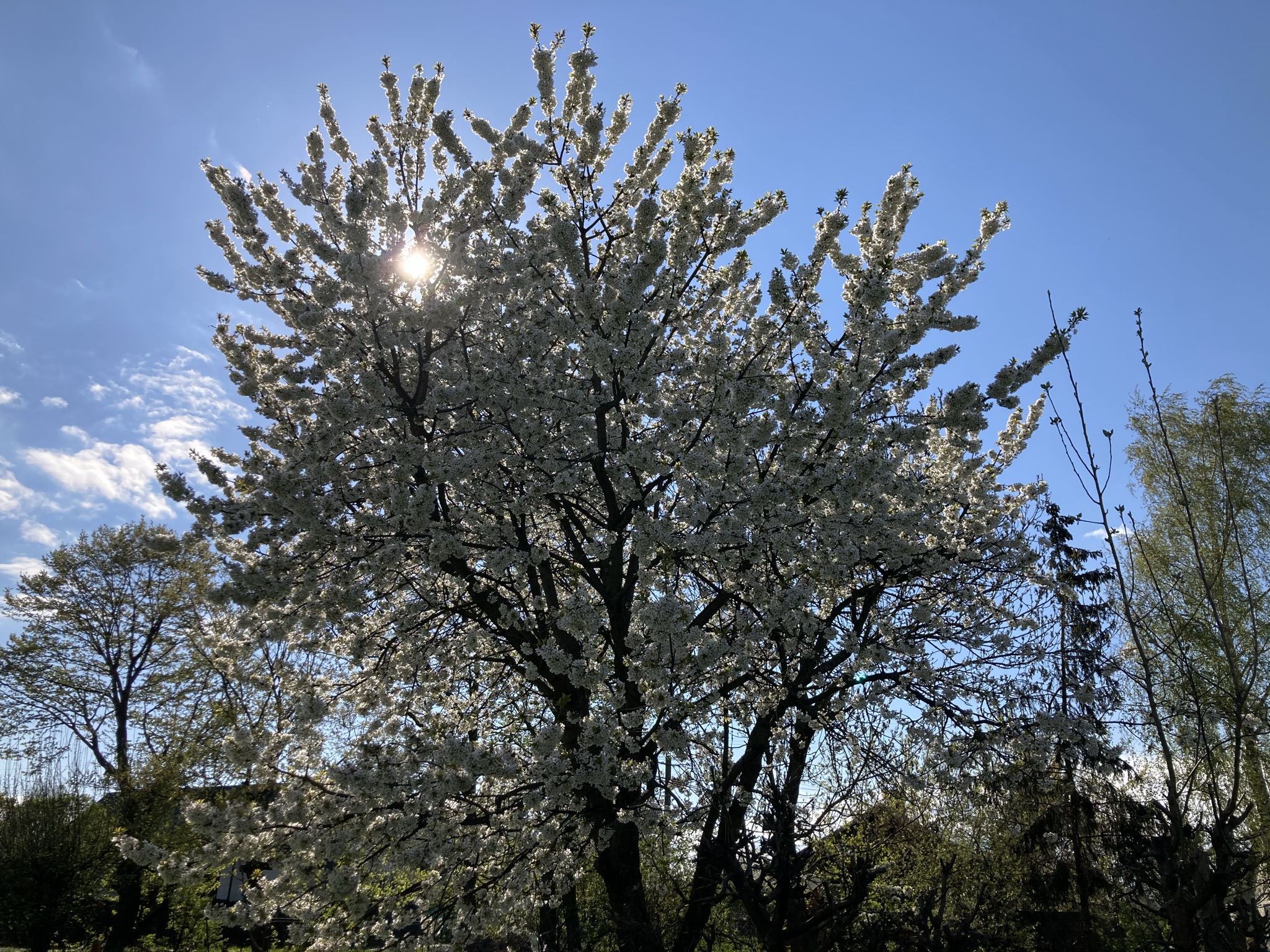
Bees need flowering plants throughout the season – from the first warm days of spring until late summer and autumn. It is from flowers that they collect nectar and pollen, which are essential for the life of the whole bee colony.
Planting nectar-rich plants is one of the simplest and most natural ways to support bees. Every garden, orchard, meadow, balcony or even a small flower bed can become a place that is friendly to pollinators.
Why are nectar-rich plants so important?
Nectar-rich plants provide bees with food. Nectar is a source of energy, while pollen provides the protein needed to raise young bees.
The more diverse flowering plants there are in the area, the easier it is for bees to survive throughout the season. This is especially important during periods when there is less natural forage available.
That is why it is worth planning plantings so that something is in bloom not only in May and June, but also in early spring, summer and autumn.
A long-term plan to support bees
Planting nectar-rich plants is best treated as a long-term action. One planted flower can help bees, but a well-planned garden or orchard will support them for many years.
It is worth starting with simple steps: planting a few flowering perennials, leaving part of the lawn as a wildflower meadow, or choosing trees and shrubs that will provide bees with nectar and pollen every year.
Over time, such a plan can grow. Each year, you can add more plants, enrich the garden with species that bloom in different months, and create an increasingly diverse environment for bees, bumblebees, butterflies and other pollinators.
What plants are worth planting?
In spring, early-flowering plants are especially valuable, as this is when bees begin their first flights after winter. Good choices include willows, crocuses, snowdrops, lungwort, hazel and fruit trees such as apple, pear, plum and cherry trees.
In summer, it is worth choosing long-flowering plants that are rich in nectar. Bees eagerly visit lavender, phacelia, borage, sage, thyme, mint, clover, hollyhocks, echinacea, lime trees and many garden flowers.
In late summer and autumn, plants that provide bees with food before winter are particularly helpful. These include heather, goldenrod, asters, sedum, dahlias and late-flowering herbs.
Nectar-rich trees – an investment for years
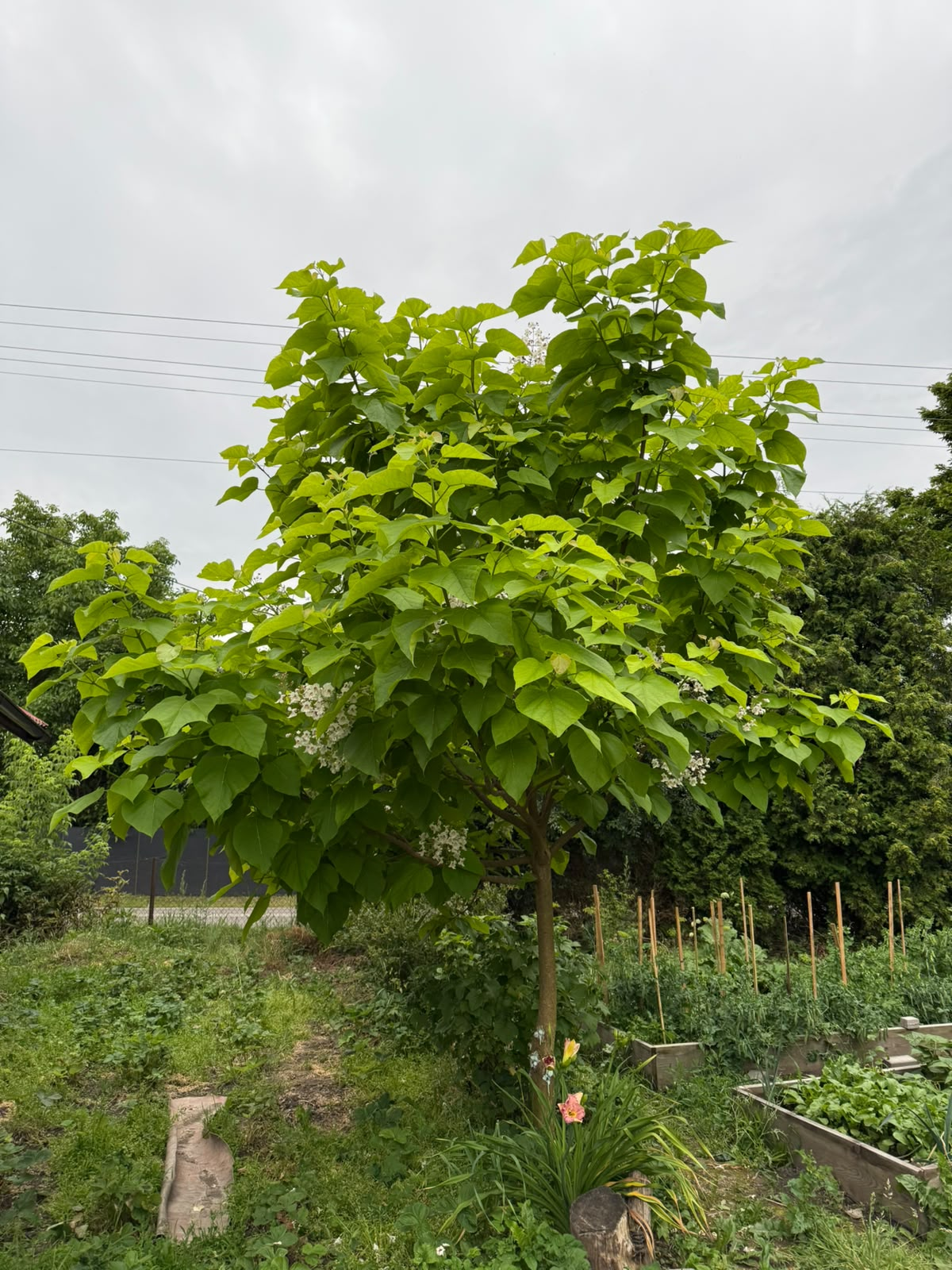
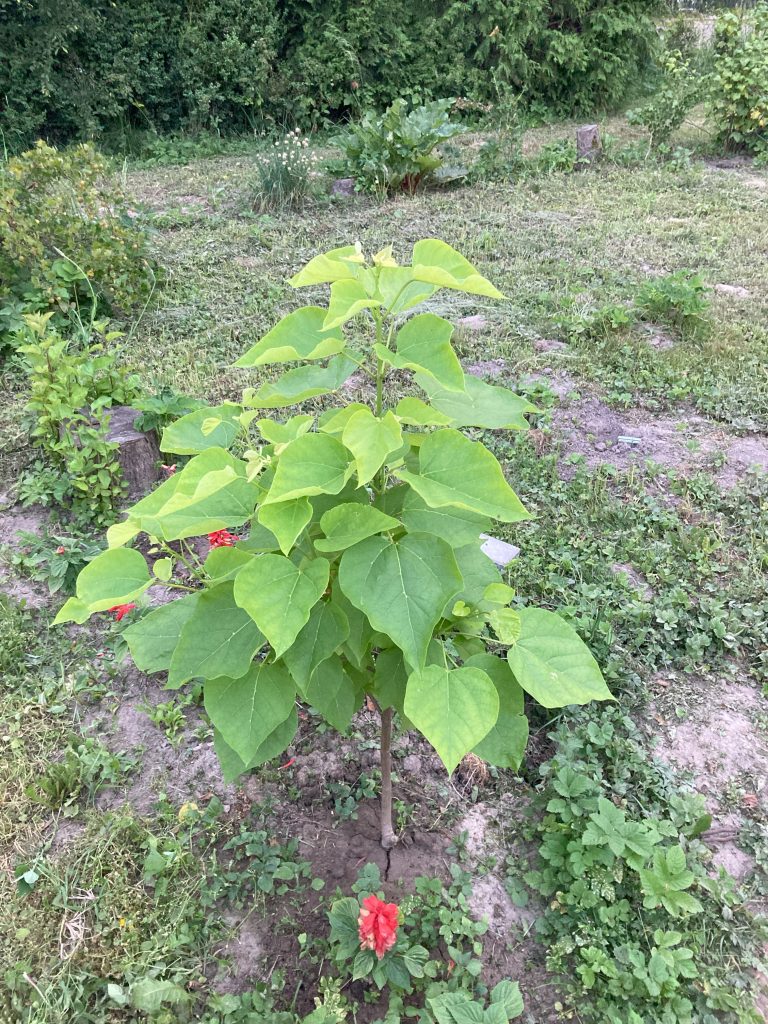
Trees are especially valuable because they can support bees for decades. During flowering, one mature tree can provide insects with a large amount of nectar and pollen.
Among bee-friendly trees, it is worth mentioning lime trees, maples, black locust, willows, fruit trees and rowan trees. In addition to nectar and pollen, they also provide shade, shelter for birds and help improve the microclimate in the garden.
By planting a tree, we are not helping bees for just one season. We are creating a source of food that will serve nature for many years to come.
A bee-friendly garden
A bee-friendly garden does not have to be perfectly tidy. Quite the opposite – natural diversity is extremely valuable for insects.
It is worth leaving part of the lawn to be mown less often, allowing clover, dandelions and daisies to bloom, and choosing plants that are useful for pollinators instead of relying only on ornamental species.
It is also very important to avoid chemical sprays, especially when plants are in bloom. Even a beautiful garden will not be safe for bees if substances harmful to insects are used there.
Bees can be supported even on a balcony
You do not need a large garden to support bees. Pots on a balcony or terrace can also become a small but valuable source of food.
Lavender, thyme, basil, mint, sage, marigolds, nasturtiums and catnip grow well in containers and are often visited by insects.
Every flowering plant matters. For a bee, even a small balcony full of flowers can be an important stop during its daily flight in search of nectar and pollen.
Shared responsibility for bees
Bees play a vital role in nature. Thanks to their work, many plants can produce fruit and seeds, while the whole ecosystem maintains its natural balance.
That is why supporting bees should not be a one-off action, but a conscious, long-term effort. By planting nectar-rich plants, we help not only insects, but also ourselves – creating healthier, more beautiful and more diverse surroundings.
Everyone can do their part: plant a tree, create a flower bed, sow a wildflower meadow or place a few pots of herbs on a balcony.
Summary
Planting nectar-rich plants and trees is a simple way to truly support bees for many years. The more flowering plants there are around us, the easier it is for bees to find food and maintain strong, healthy colonies.
It is worth planning plantings so that flowers appear from spring until autumn. This gives bees access to nectar and pollen throughout the season.
By planting nectar-rich plants, we create a space full of life. It is a beautiful gesture towards nature and a practical step towards a more sustainable ecosystem.
Let us plant flowering plants wherever we can – in gardens, orchards, allotments, on balconies and around our homes. Every flower can help bees.